
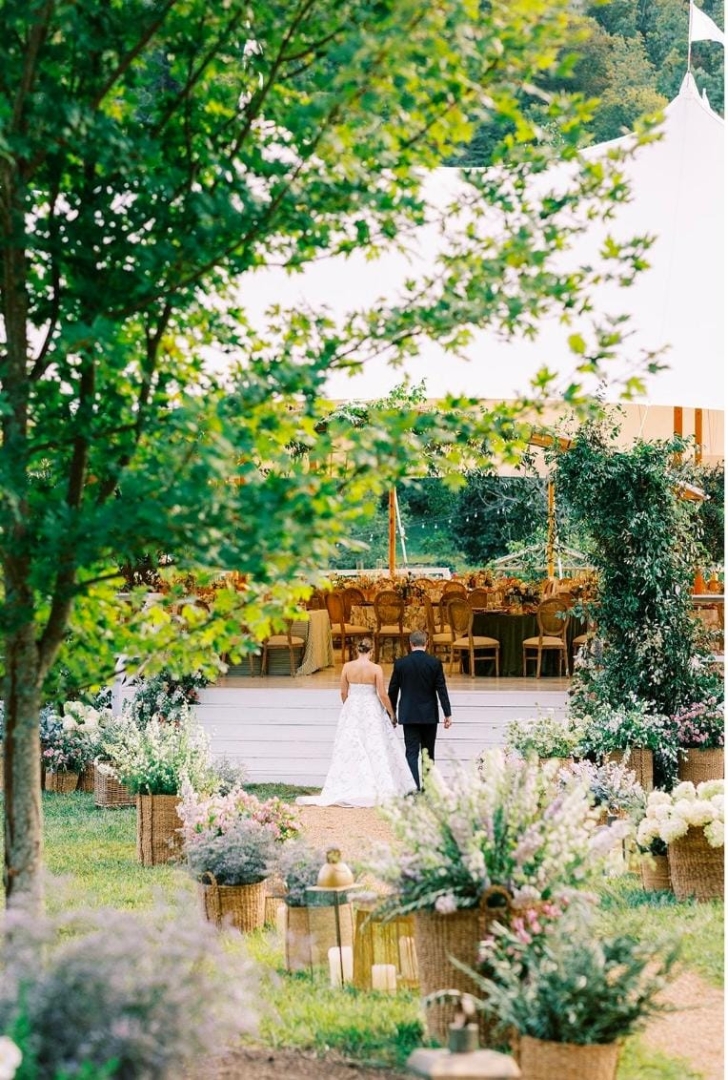
Weddings in 2026 are shifting toward celebrations that feel immersive, personal, and guest-centered—less about a single four-hour reception and more about a full weekend that people remember. Couples are choosing places that provide atmosphere and connection, and the venue often sets that tone long before any décor is added.
Planning behavior backs this up. According to Zola's 2025 First Look Report, which surveyed more than 6,000 couples getting married in 2025, multi-event weekends are common: about 66.86% of couples plan a rehearsal dinner, 31.14% a welcome party, and 21.51% a goodbye brunch—evidence that many are building extended itineraries around the venue and destination.
The shift reflects broader wedding industry changes. Destify's 2026 venue trends notes that "the rise of 'weekend venues'—entire property buyouts offering three-day experiences—signals a shift toward immersive weddings rather than one-night events."
According to The Knot's 2025 Real Weddings Study, 72% of couples said the most important aspect during planning was that guests were well taken care of and had a good time—a priority that experience-driven venues are designed to meet.
Industry data suggests this isn't a fleeting trend. Wezoree's global wedding community reports that 28% of 2025-2026 couples are booking some version of multi-tiered celebrations, planning multiple events at different scales rather than single all-inclusive celebrations.
This aligns with younger generations' spending habits. High-earners are increasingly prioritizing experiences over material goods, with Morning Consult research showing 44% of households earning $100,000 or more now spend more on experiences like travel, dining, and live events than on non-essential purchases.
All of this is playing out in how couples choose venues. They're gravitating to places that feel like a weekend away—settings with a strong sense of place, flexible spaces, and logistics that make it easy to linger.
At The Barn on New River in North Carolina's Blue Ridge, mountain views, riverfront ceremony spots, and a post-and-beam reception barn create a retreat-style atmosphere. The 90-acre property features multiple ceremony locations—including a mountaintop site and a stone patio beside the South Fork of the New River—plus on-site lodging in a honeymoon suite and separate guest cabin.
The variety of spaces makes it simple to host welcome dinners, late-night gatherings, and next-day brunches without requiring guests to navigate mountain roads between events.
On the West Coast, The Penny provides an urban counterpoint in downtown San Luis Obispo. Housed in a converted 1930s blacksmith shop, the venue preserves original brick walls and wooden beams while incorporating modern design, including a glass roll-up door that opens to an outdoor courtyard. The downtown location means guests can walk to boutique hotels, coffee shops, and restaurants, transforming the wedding weekend into an exploration of California's Central Coast.
Couples often organize group outings to nearby Avila Beach or wine country excursions in Paso Robles.
In Texas, The Barn at Four Pines Ranch leans into nature-forward experiences across 54 acres. The property offers four distinct ceremony sites—forest altar, corral setting, lakeside pergola, and covered patio—with longhorn cattle roaming the grounds for an authentic Texas atmosphere. A six-acre fishing lake provides a natural gathering spot, while the climate-controlled barn accommodates up to 200 guests.
On-site amenities include a bridal suite with one-way mirror windows and a groom's lounge featuring pool and poker tables plus a flat-screen TV, giving wedding parties space to relax before and during the celebration.
Why are these experience-driven venues resonating?
Guest comfort and connection: Couples want guests to feel included in a shared weekend rather than attending a single, formal event. Longer timelines and on-site or walkable options make it easier for everyone to relax and spend meaningful time together. When guests can stay on property or within walking distance, the celebration feels less like an obligation and more like a vacation—a shift that's particularly appealing for destination-style weddings where friends and family are already investing travel time and expense.
Social-media influence: Venues with distinctive architecture, natural scenery, or visually interesting textures tend to photograph well, which aligns with the way couples capture and share their celebrations online. From mountain vistas to industrial brick walls to lakeside ceremonies, these settings provide Instagram-worthy backdrops without requiring elaborate décor installations.
Budget reallocation: With smaller guest lists becoming more common, couples often choose to invest more per guest in atmosphere, hospitality, and memorable moments rather than traditional, décor-heavy elements. A weekend at an experience-driven venue with lodging and activities included can deliver more value than a single-night ballroom reception requiring extensive floral and lighting design to create ambiance.
Lifestyle alignment: Millennials and Gen Z frequently prioritize travel, wellness, and shared experiences in their daily lives, and those preferences naturally extend into their wedding planning—shaping the types of venues and weekend formats they seek out. For couples who spend weekends hiking, exploring new cities, or gathering friends for extended celebrations, a wedding venue that facilitates the same kind of experience feels more authentic than traditional banquet spaces.
What This Means for Planning
For couples considering experience-driven venues, industry experts recommend starting the search 12-18 months in advance, particularly for popular dates during peak wedding season (May through October). Weekend venue buyouts and properties with limited lodging book quickly, and securing your preferred date early allows more time to communicate the extended celebration format to guests.
When evaluating venues, look beyond the ceremony and reception spaces. Ask about lodging capacity, proximity to guest accommodations if on-site housing is limited, and whether the property supports multiple event types across a weekend. Consider logistics: Is there space for a welcome dinner that feels distinct from the reception? Can you host a casual goodbye brunch without requiring a full venue reset? The best experience-driven venues offer flexibility and variety within their footprint.
Communication is key when planning weekend celebrations. Guests need clear information about the schedule, what events are optional versus expected, and lodging recommendations well in advance. Creating a wedding website with detailed itineraries and local activity suggestions helps guests plan their trip and understand that this is an extended celebration rather than a traditional single-day event.
Across styles and regions—mountain retreat, walkable urban, or nature-rich ranch—the common thread is the weekend experience: places where the setting does heavy lifting, logistics are simple, and the celebration can unfold at an unhurried pace. For 2026 couples, that blend is less a trend than a baseline expectation.
Madysen Look is a marketing professional at Snowmad Digital, where she helps wedding venues strengthen their online visibility and connect with modern couples through strategic, story-driven content. She specializes in SEO, digital engagement, and translating industry trends into meaningful results for venue owners across the U.S.
Media Contact
Company Name: thebarnonnewriver
Email: Send Email
Country: United States
Website: https://thebarnonnewriver.com/